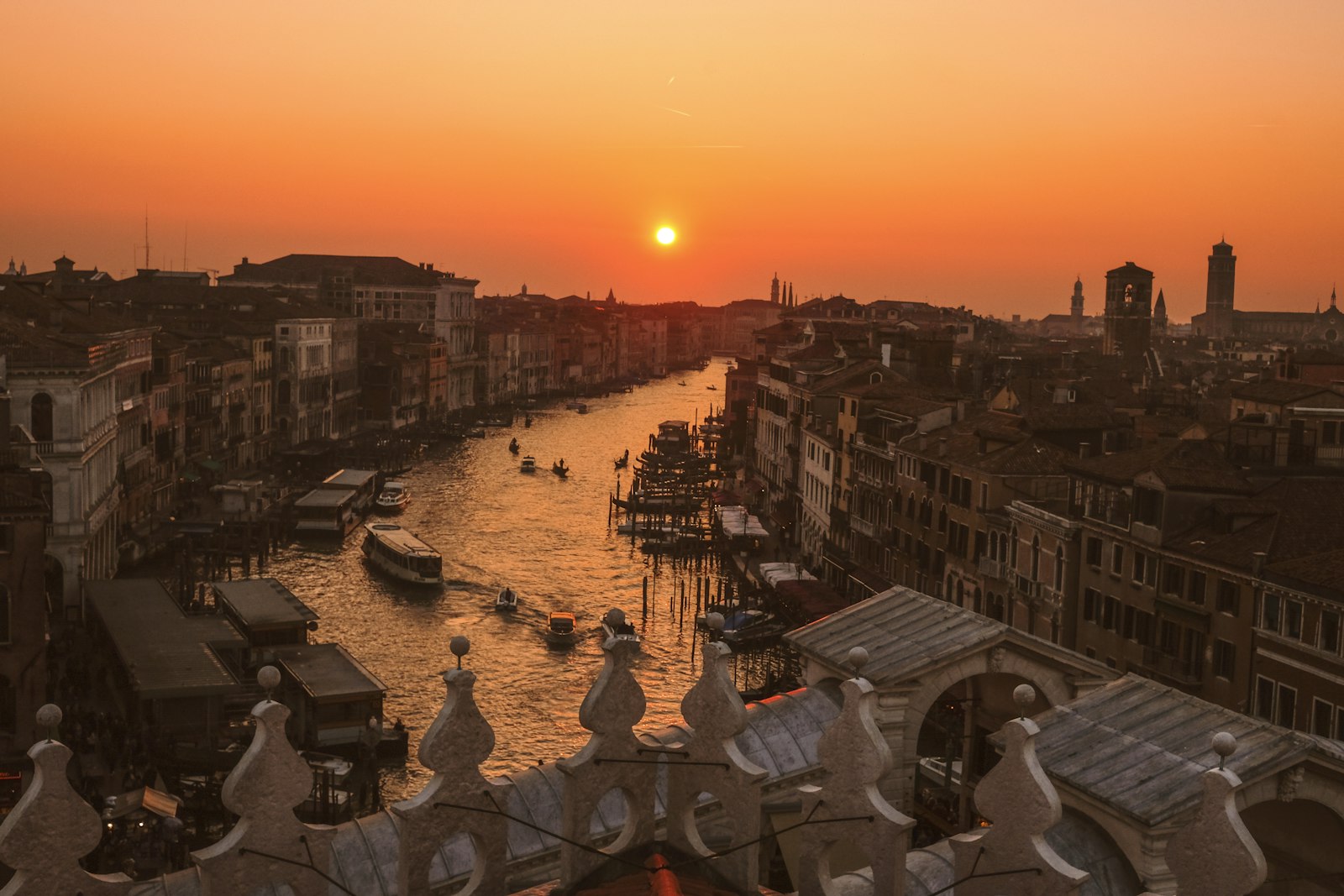
Venice
Venice Access Fee Ends Today: What Travellers Should Know After July 27
Venice's 2026 access fee trial ended on July 27. Here is what day visitors, hotel guests and travellers should know now, and why the fee may return stronger.
Venice's access fee is over for 2026.
At least for now.
That is the first thing travellers need to know. The official Venice Access Fee website states that the 2026 trial period has ended and that, from July 27, the access fee no longer applies. It is possible to visit Venice without paying the fee or requesting an exemption from it.
This is simple.
It is also easy to misunderstand.
Venice has spent the last few years experimenting with access fees, QR codes, exemptions and peak-day controls. Many visitors now arrive unsure whether the city is ticketed, whether hotel guests need to register, whether day-trippers must pay, and whether the rules apply only on weekends.
From July 27, 2026, the answer is clear: no access fee is currently required for the 2026 trial period.
But that does not mean the Venice access-fee story is over.
What changed on July 27
During the 2026 trial period, Venice applied the access fee on selected high-demand days between April and July. The system targeted day visitors entering the historic city during specific hours, with exemptions for various categories.
Now the trial is finished.
The official site says the fee does not apply from July 27 and that any further measures for future years will be decided by the governing bodies of the Municipality of Venice.
For travellers, that means one practical thing.
If you are visiting Venice after July 27, 2026, you do not need to pay the access fee for this year's trial period.
You should still check the official site before travelling, especially if you are planning a later year or if Venice announces a new regulation. But for the remainder of the 2026 trial, the fee has ended.
Hotel guest or day visitor?
This distinction mattered during the fee period.
It matters less now.
During the active dates, overnight guests staying in Venice were generally treated differently from day-trippers, because they already paid local tourist taxes through accommodation and could fall under exemption rules. Day visitors were the main target of the access fee.
After July 27, that distinction no longer affects access-fee payment for 2026, because the fee does not apply.
That said, the distinction still matters in a larger travel sense.
A day trip to Venice and a stay in Venice are completely different experiences. The access-fee debate exists partly because the city is under extreme pressure from visitors who arrive, consume the most famous areas and leave without contributing in the same way as overnight guests.
The fee may be paused.
The problem is not.
Why this is not the end
Venice is already discussing what comes next.
Associated Press reported that newly elected mayor Simone Venturini is proposing a dynamic pricing system that could allow the day-tripper access charge to rise as high as 50 euros on the busiest days, subject to government approval and legal changes. Venturini told AP that the current 10 euros last-minute charge had not done enough to discourage visitors on peak days, and that the higher ceiling would create room for demand-based pricing rather than a flat fee.
This is important.
Many travellers think the Venice fee is either finished or permanent. The reality is more fluid. Venice is testing, adjusting and looking for a system that can manage overcrowding without simply turning the city into a museum entrance.
The 50 euros figure does not mean every visitor would pay 50 euros. AP reported that Venturini described it as an upper limit, with possible intermediate amounts depending on demand.
Still, the direction is clear.
Venice is moving toward more serious visitor management, not less.
Should you visit Venice now?
Yes, but do not treat the end of the fee as an invitation to be careless.
A fee-free day is not the same as an empty city.
Late July and August can still be hot, crowded and difficult in the most famous areas. St Mark's, Rialto, the train-station approach and the main walking corridors can still feel compressed. The absence of the fee does not change the geometry of Venice.
The better plan is to use the city more intelligently.
Stay overnight if you can. Walk early. Avoid treating Venice as a four-hour checklist. Spend time in Cannaregio, Castello, Dorsoduro, Giudecca or the lagoon islands. Eat away from the most predictable tourist lanes. Do not turn every bridge into a photograph session.
Venice does not reward speed.
It rewards staying long enough to stop behaving like a day-tripper, even if you technically are one.
The day-trip problem
A Venice day trip can work.
It can also be the worst way to understand the city.
If you arrive by train at 10 a.m., follow the same route as everyone else, queue, eat badly, take photographs, complain about crowds and leave before dinner, you have not visited Venice. You have moved through the city's pressure points.
That is exactly the kind of behaviour Venice is trying to manage.
The access fee may have been imperfect, but the underlying question is real: how does a fragile city survive when millions of people want the same small part of it at the same time?
The answer cannot be only money.
It has to be behaviour.
How to plan Venice after July 27
For the rest of summer 2026, plan like this.
Check the official access-fee site before departure, but expect no fee for the current trial period after July 27.
Book major sights in advance if they matter to you.
Avoid arriving at the same hour as every cruise, train and tour group.
Stay overnight if the budget allows.
Use the vaporetto as public transport, not as a sightseeing toy at the worst possible hour.
Eat fewer meals, better chosen.
Let one part of the day have no monument attached to it.
The richest Venice days are often the least ambitious.
What to avoid
Avoid old blog posts saying the fee applies through all summer.
Avoid assuming Venice is "free again" in a deeper sense.
Avoid building a day around St Mark's and Rialto only.
Avoid dragging luggage through the city unnecessarily.
Avoid treating the fee debate as something that belongs only to politicians. Visitors are part of the problem and part of the solution.
Most of all, avoid thinking that because you no longer have to pay, you no longer have to think.
Planning a trip like this?
Send us your brief and we will help you get the bases, timing and route right.
• More from the Magazine
 Italy Travel NewsPompeii Winter Hours 2026: Last Entry at 15:30, Herculaneum and the New TrainsPompeii winter hours run from 15 October 2026: last entry at 15:30, closing at 17:00. Herculaneum, the tickets, the free Sunday and the new train times.
 Italian LakesLake Garda in Winter 2026-27: Which Boats Still Run, Christmas Markets and Where to StayLake Garda in winter: passenger boats stop on 2 November 2026 and only the Torri to Maderno ferry runs. The Christmas markets, the buses and the best bases.
 Italy Travel NewsNaples Airport Closure in November 2026: How to Reach Naples, Capri and the Amalfi CoastThe Naples airport closure covers November 2026. Which flights move to Salerno, how the Rome rail route works and which November timetables are still missing.