Italy travel guide: where to go, stay and plan.
Italy is not one holiday. It is a collection of very different moods, and the right trip depends less on what is famous and more on how you want the days to feel.
Italy is cities, coastlines, lakes, countryside, islands, mountains, food, art, beach clubs, villas, small hotels, long trains, impossible views and the occasional planning mistake.
A first trip to Italy is very different from a villa week in Tuscany. A honeymoon on the Amalfi Coast is different from a family holiday in Puglia. A no-car itinerary through Rome, Florence and Venice is different from a beach trip in Sardinia. This guide is designed to help you choose the right version of Italy.
For a first trip to Italy
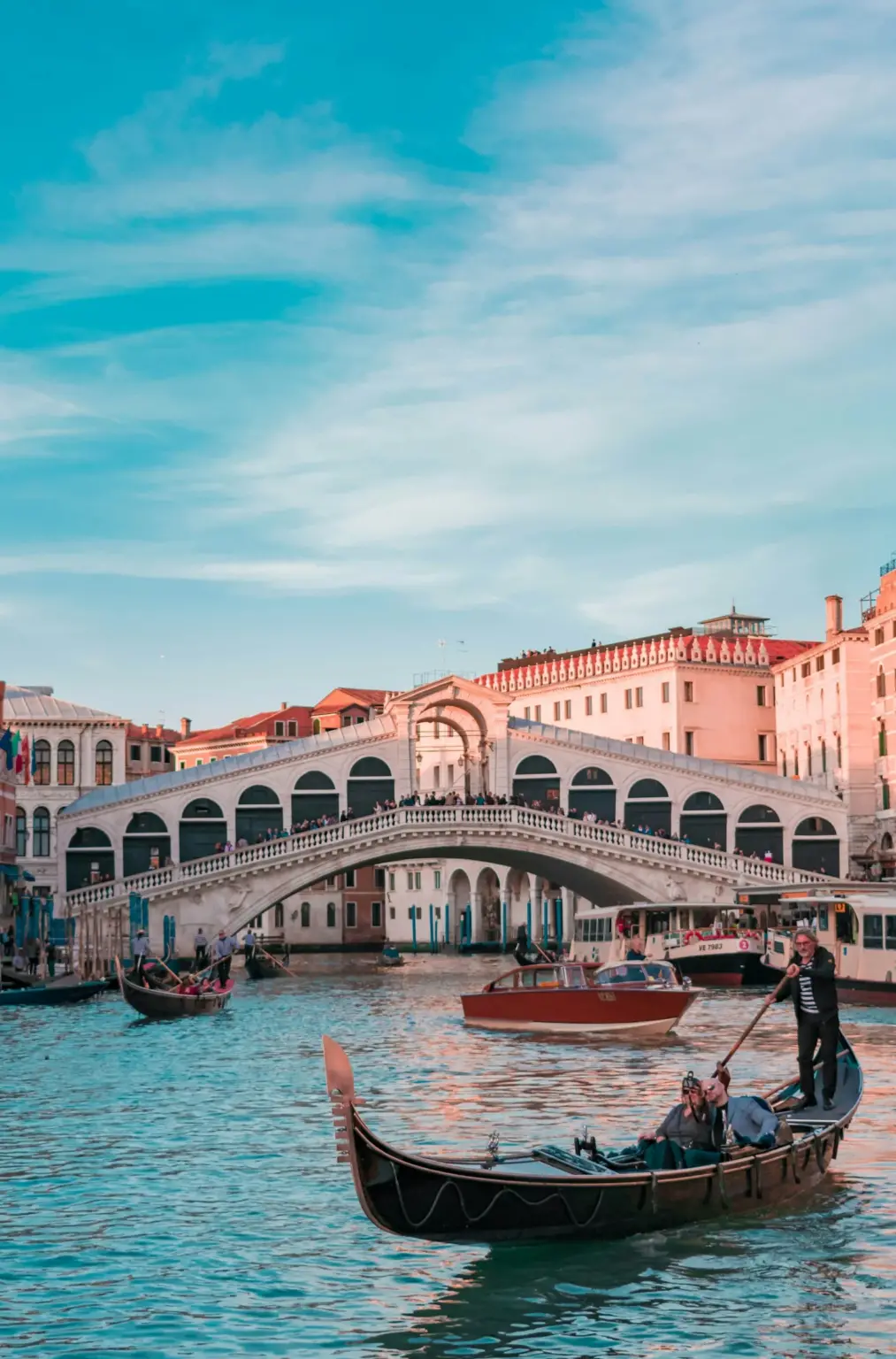
For most first-time visitors, the clearest route is Rome, Florence and Venice. It works because the cities are extraordinary and the train connections are simple.
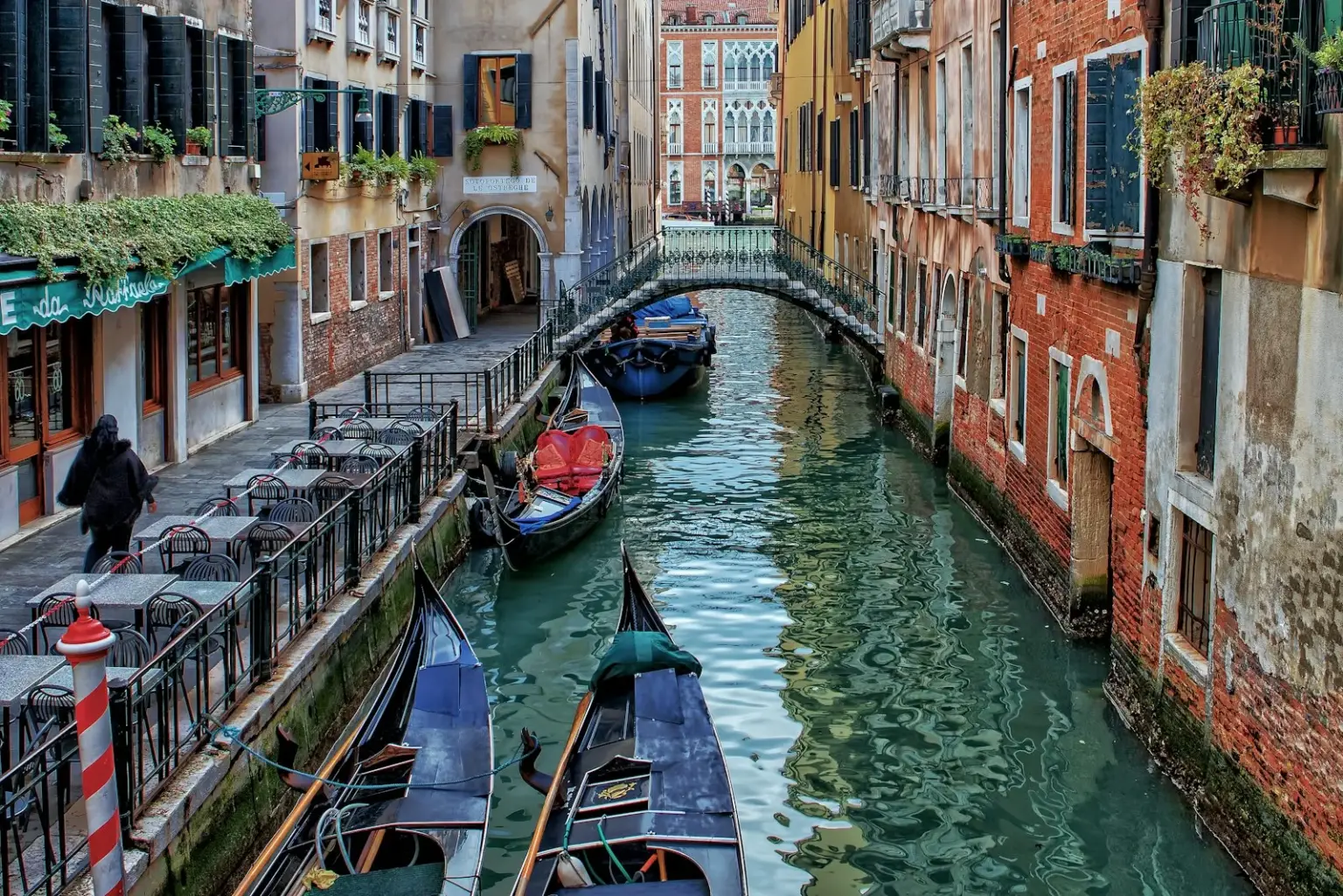
Rome gives you history, scale, food and energy. Florence gives you art, walkability and access to Tuscany. Venice gives you atmosphere that exists nowhere else. If you have more time, add Bologna, Milan, Lake Como, Naples or the Amalfi Coast. If you only have seven to ten days, resist the temptation to add too much.
Need help choosing your Italy route?
Tell us the basics and we will point you to the right plan.
For a slower Italian holiday
If you have already seen the big cities or simply want a more relaxed trip, choose one region and go deeper.
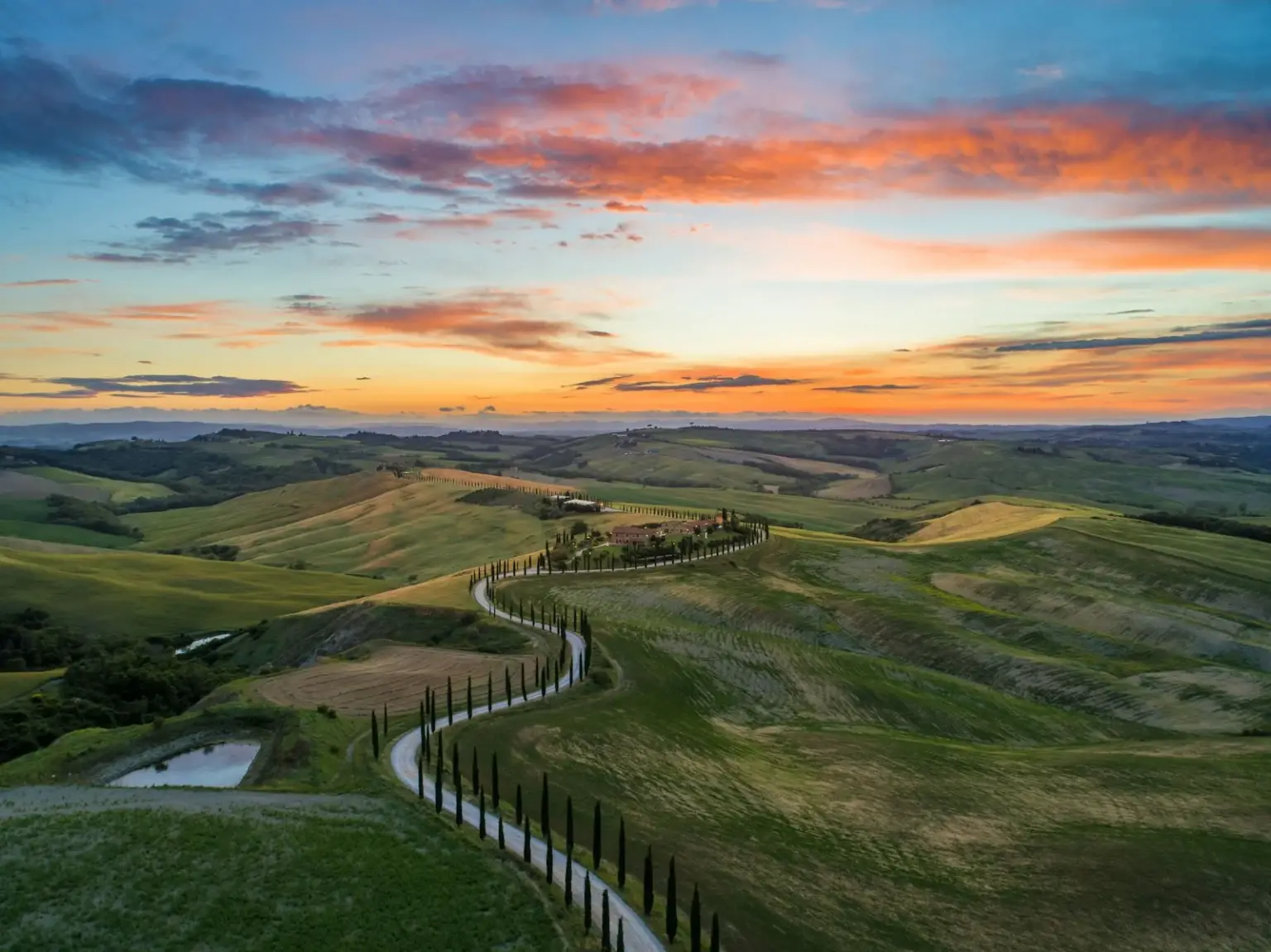
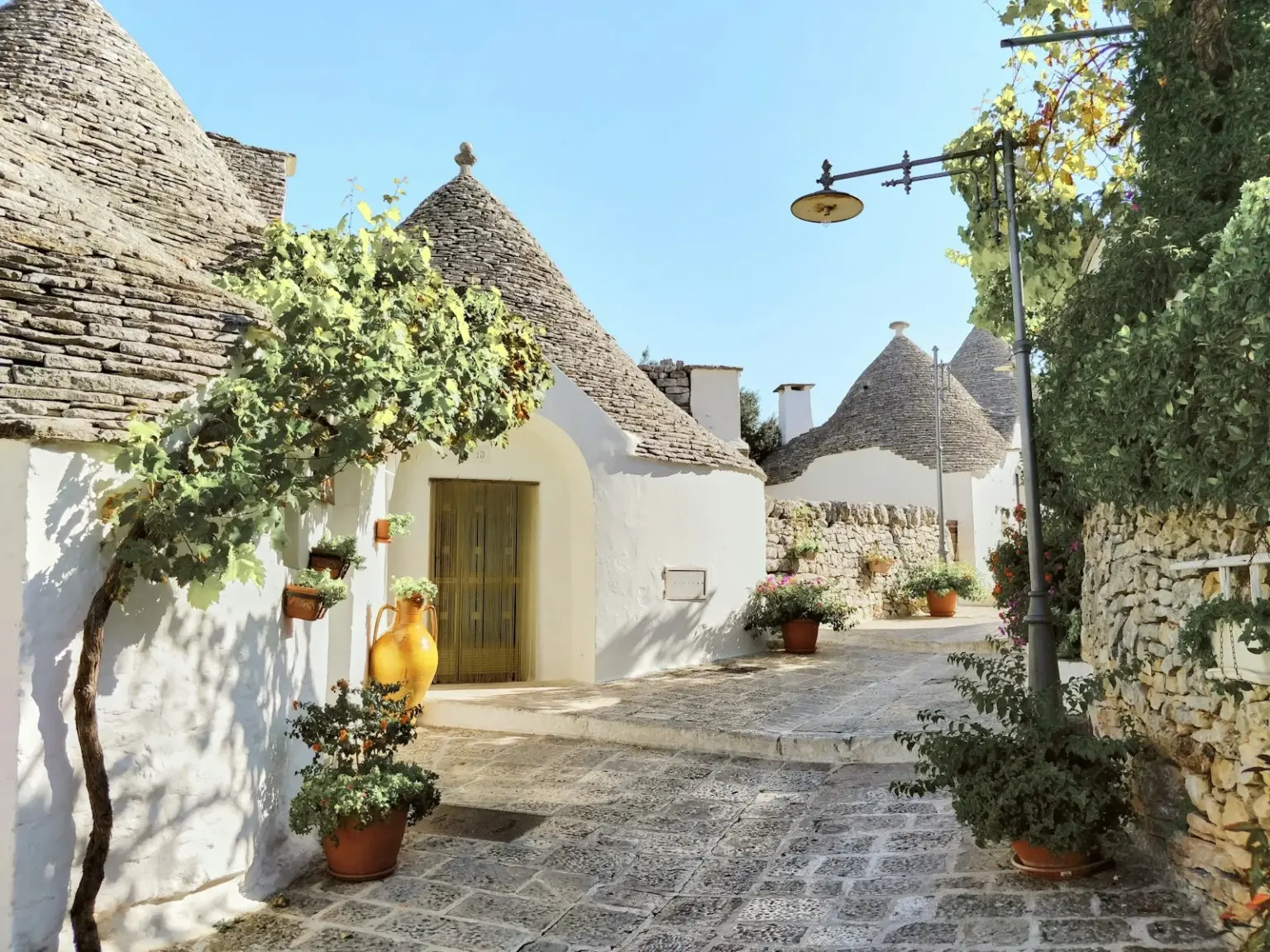
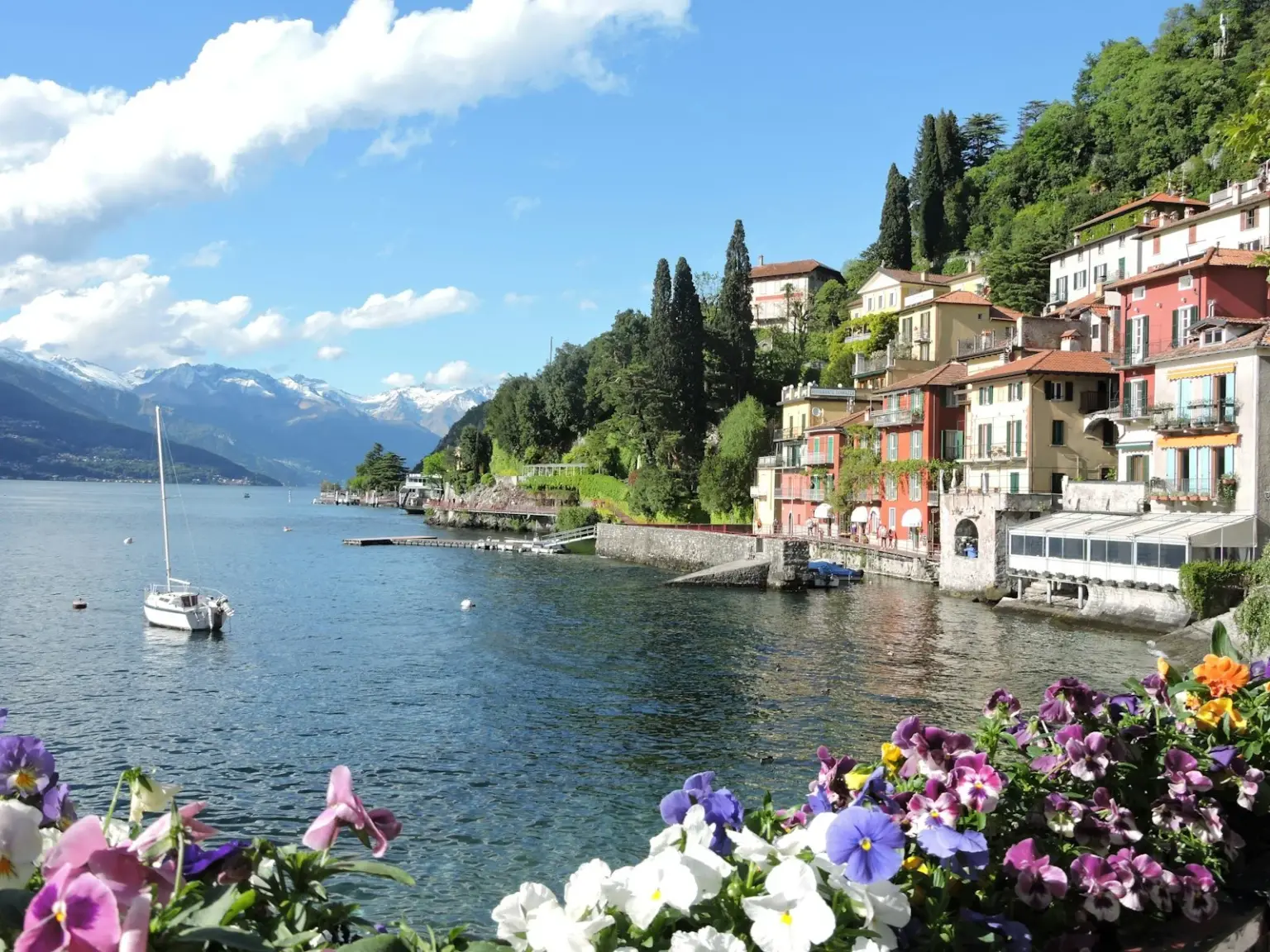
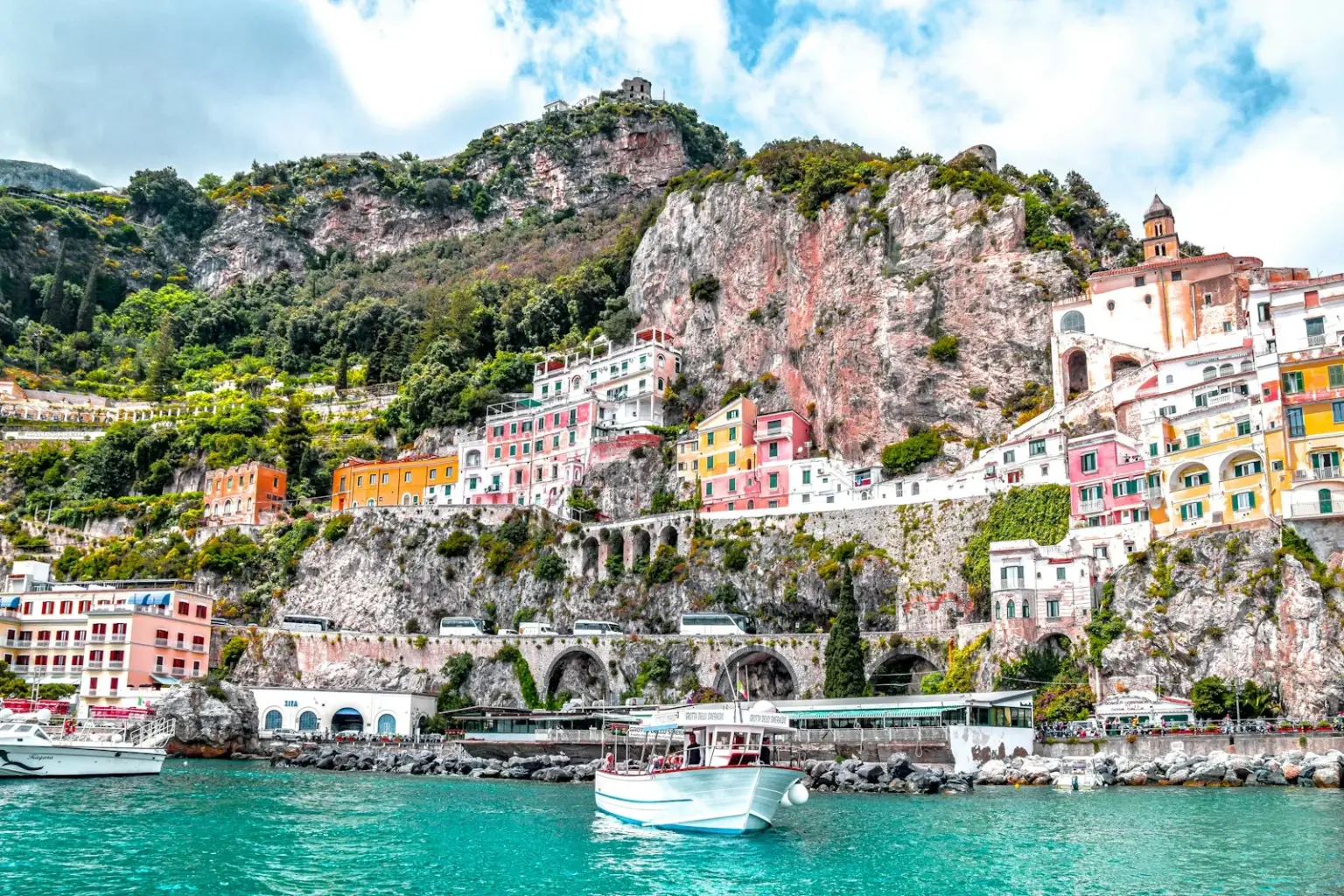
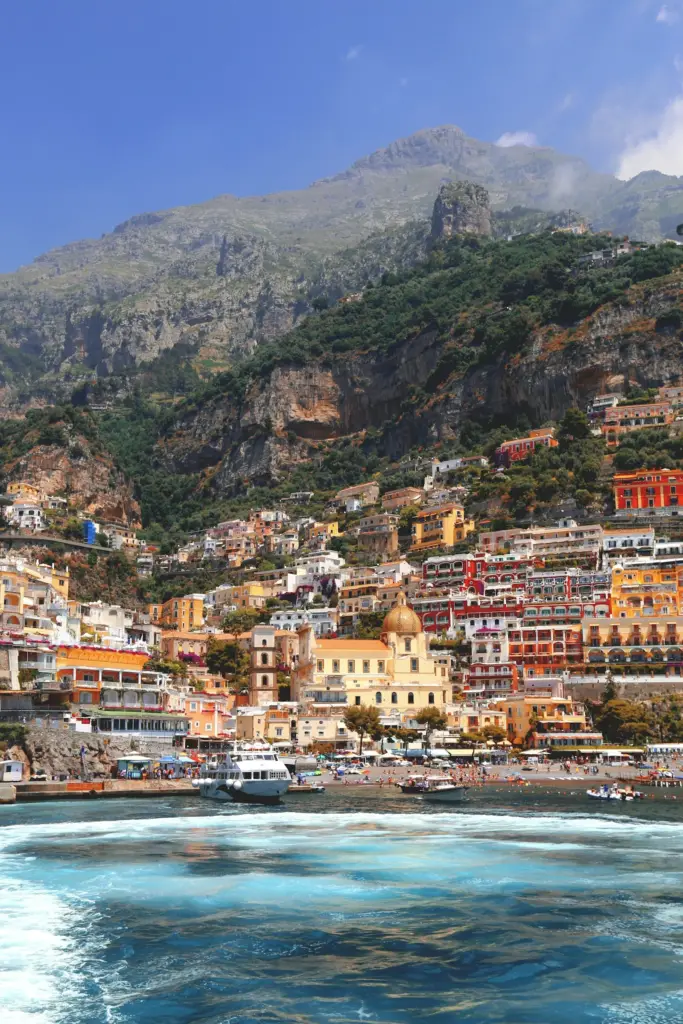
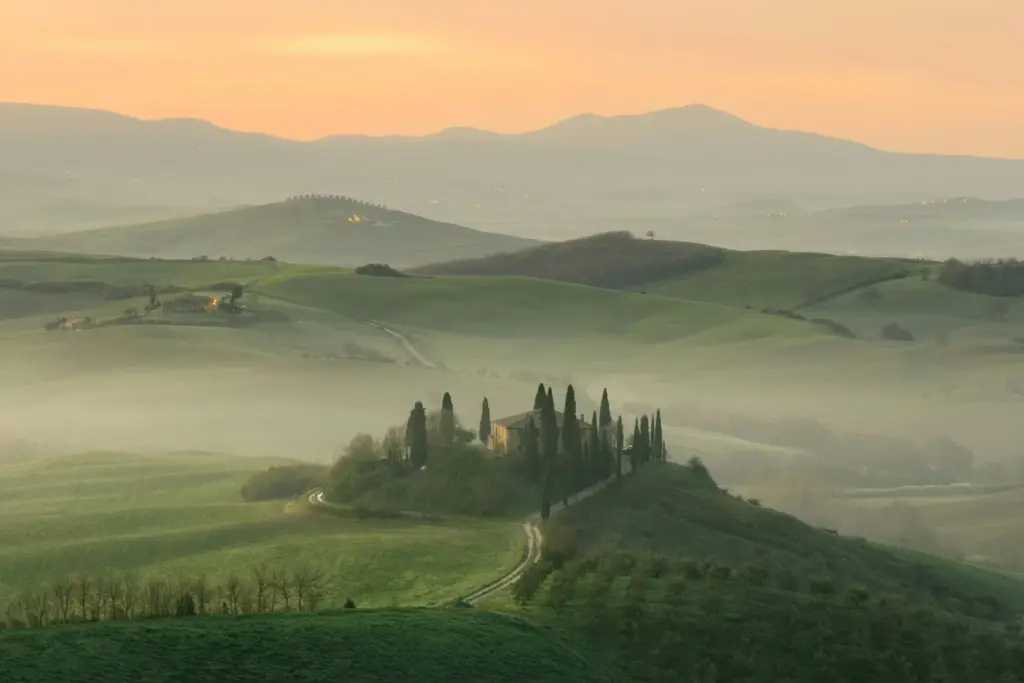
Tuscany works for countryside, villas, wine and classic scenery. Puglia works for masserie, olive groves, beaches and white towns. Sicily works for food, history, islands and drama. Sardinia works when the sea is the main reason for the trip. Lake Como works for elegance, hotels and boat days. The Amalfi Coast works for views, romance and occasion travel.
For families
Family holidays in Italy are best when they are practical. Children need space, shade, easy food and fewer hotel changes. Parents need a base that still feels beautiful.
A villa with a pool can be better than three famous cities. A central hotel can be better than a cheaper property outside town. A shorter itinerary often creates a better holiday.
For honeymoons
Italy is one of the strongest honeymoon destinations in the world, but the best honeymoon is not always the most ambitious one.
Venice, Tuscany and the Amalfi Coast is a classic combination. Lake Como and Venice make a more elegant northern route. Puglia or Sicily can work beautifully for couples who want more space and less cliche.
For no-car travel
Italy is excellent by train when the route is built properly. Rome, Florence, Venice, Bologna and Milan are the easiest city bases. Lake Como can also work well with the right town.
Countryside villas, rural Tuscany, inland Puglia, Sicily and Sardinia usually require a car or private driver.
Do fewer places better.
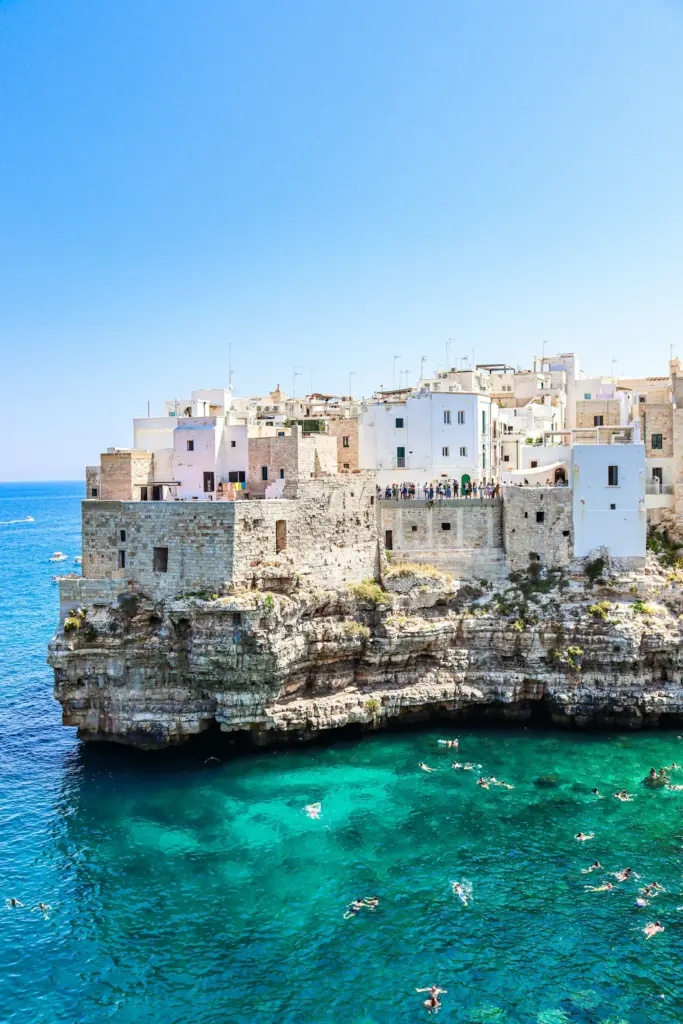
• Italy, in pictures
• Keep reading
• Questions
Good to know
How many days do you need in Italy?
Seven days can work for two cities. Ten days is enough for a classic Rome, Florence and Venice route. Two weeks allows a more comfortable mix of cities and countryside or coast.
What is the best first trip to Italy?
For most first-time visitors, Rome, Florence and Venice is the simplest and strongest route.
Should I rent a car in Italy?
Rent a car for countryside, villas and islands. Avoid renting a car for Rome, Florence or Venice unless there is a specific reason.
Is Italy better for couples or families?
Both. Couples can build romantic city and coast itineraries, while families often do best with villas, pools and fewer transfers.